
A familiar model name is only the starting point when assessing a pre-owned watch. Two watches from the same family can differ substantially in condition, reference, configuration and service history. A purchase price is also different from the amount a seller may receive after fees. This guide compares five Rolex families through practical ownership questions, without ranking them by expected investment return.
Datejust: compare like with like
The Datejust provides a useful example of how a broad family can contain many distinct watches. Case size, metal, bezel, dial and bracelet influence both appearance and comparability. An advertised price for one configuration is weak evidence for another. A meaningful comparison identifies the reference and condition before considering price.
Explorer: simplicity does not eliminate inspection
A restrained dial and compact set of functions can make condition easier to overlook. Inspection still needs to cover the case, bracelet, movement and signs of replacement parts. A watch that looks clean in a photograph may have extensive polishing or a service history that is not documented. Independent authentication matters more than a seller's descriptive adjectives.
Submariner: distinguish appearance from usable condition
A diving-watch identity does not establish the present water resistance of an older example. Seals, servicing and testing affect whether it is suitable for water exposure. Date and no-date versions also need separate comparisons. Ownership decisions should distinguish collectability, intended use and the cost of putting a watch into serviceable condition.
GMT-Master II: identify the exact configuration
The additional time-zone function gives this family a different use case from a straightforward time-and-date watch. For a pre-owned example, the reference, bezel and bracelet should be checked together. A recognizable colour combination is not sufficient evidence of originality, age or value. Documentation should relate to the specific watch offered.
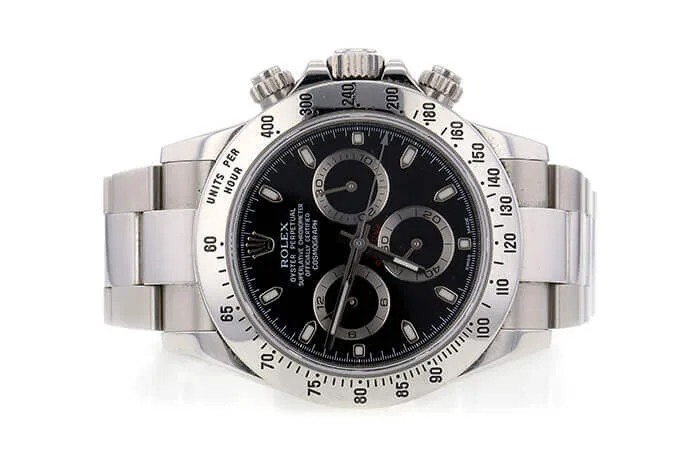
Cosmograph Daytona: complexity adds questions
The chronograph function makes movement operation and maintenance especially relevant. Testing the pushers and timing functions, checking service records and allowing for repair costs are separate from assessing cosmetic condition. A prominent model name does not remove the risk of buying an incorrectly described or altered example.
Compare total ownership cost
A useful worksheet separates the purchase price, authentication, servicing, insurance, storage and eventual selling costs. Dealer asking prices are not completed transactions, and a buyer's replacement valuation is not a guaranteed cash offer. The time required to find another buyer also affects liquidity.
A decision based on the watch itself
The strongest assessment identifies what is being sold, its condition, the evidence supporting its description and the terms of return. Personal enjoyment and resale uncertainty are different considerations. None of these five families guarantees appreciation, and this comparison is not a recommendation to buy a watch as a financial investment.
Editorial update — November 11, 2026: Rewritten as an independent comparison of functions, inspection and ownership costs, without an investment ranking or return guarantee.
Leave a Reply