
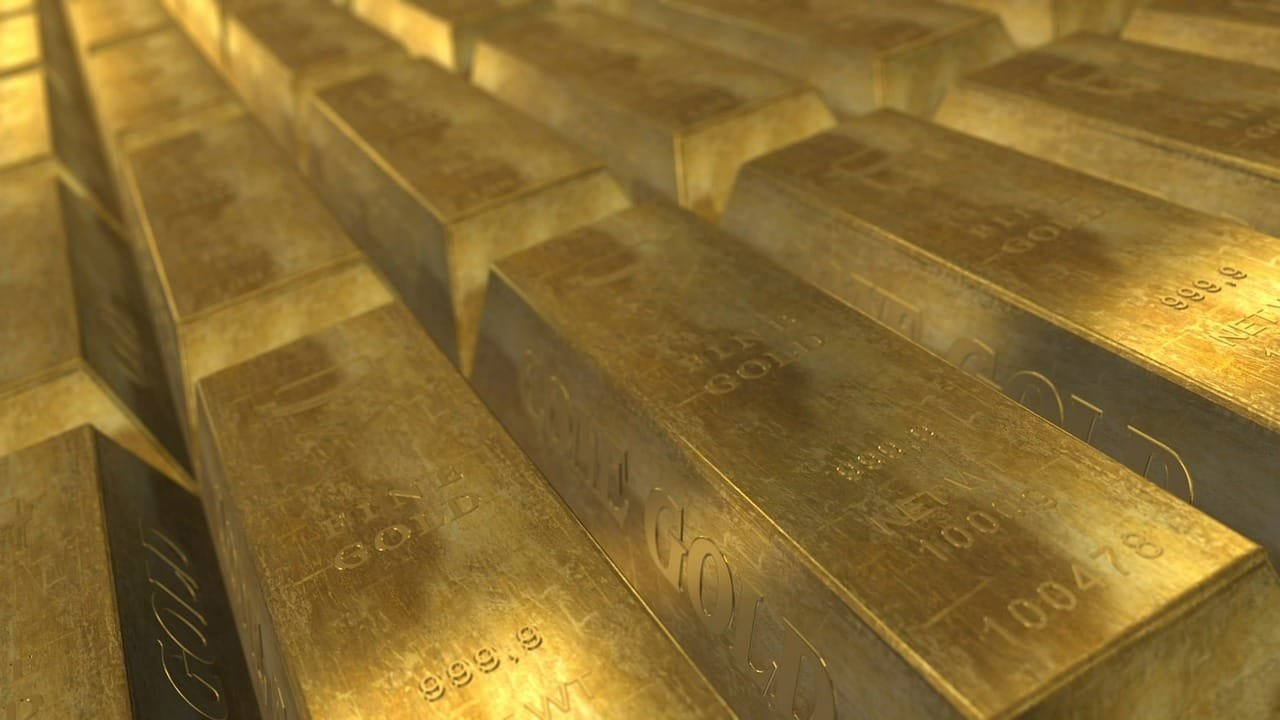
Central-bank gold purchases are part of reserve-management decisions. A useful account must identify the institution, the measurement period and whether a figure represents purchases, sales or a net change. It should also distinguish an estimate of total demand from publicly reported transactions.
A historical example
A World Economic Forum article published in November 2022 discussed a 28% year-on-year rise in global gold demand during the third quarter of 2022. That figure should not be described as demand growth “this year” in a June 2024 article, nor as the growth rate of central-bank purchases alone.
What the figure can and cannot tell us
An aggregate demand change does not establish why each central bank acted. Reserve diversification, liquidity and risk management are possible considerations, but a specific motive should be attributed to the institution or a clearly identified analysis. A quarterly trend also cannot explain an individual trading session without further evidence.
Editorial correction
The period and scope of the historical statistic have been restored. Unsubstantiated generalisations about financial stability and wartime reserve decisions have been removed.
Source: World Economic Forum, article published 10 November 2022. This is a historical explanation, not a current reserve tally.
Sources
Textual editorial review: 31 October 2026. This article has been revised against the sources and documentation limits stated in the text.
Leave a Reply