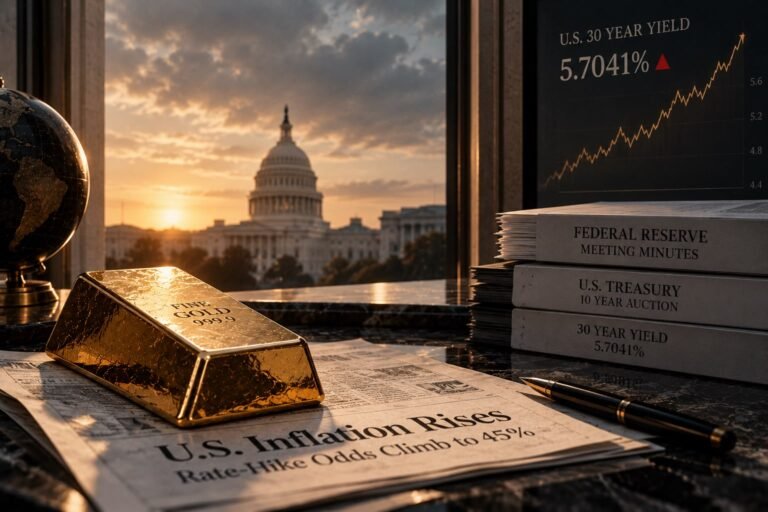
Inflation Reopens the Fed Tightening Debate: October’s New Test for Gold
How September CPI reopened the October Fed rate-hike debate, and why real yields, the dollar and demand matter for gold.
 DhbnaDOCUMENTING THE GOLD PATH
Understand gold through its physical properties, market structure and economic context. Explore documented explanations of bullion, interest rates, inflation, central banks and financial news. Follow specific market dates in Gold Price Analysis.
How September CPI reopened the October Fed rate-hike debate, and why real yields, the dollar and demand matter for gold.

Just five days ago, gold received news that—according to traditional market rules—should have given it a significant boost. The US economy added only 29,000 jobs in September, well below the expected 90,000, and bets on an interest rate hike at…

Five channels connect Europe’s digital euro project to gold: currencies, real yields, inflation, geopolitical risk and investment flows. None guarantees a rally.
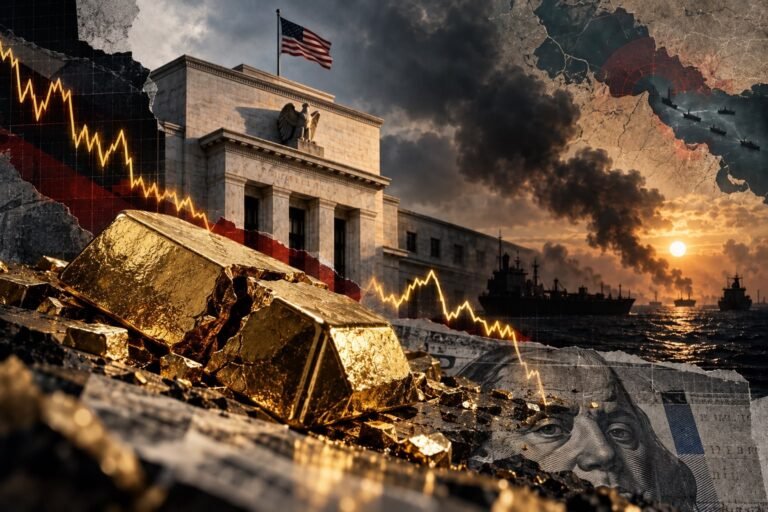
An economic review of the week ending October 2, 2026. Intraday prices are dated observations. The weekly settlement quoted below belongs to the October COMEX contract, not spot gold. Under the conventional reading of gold, late September and early October…

The Fed is tightening monetary policy while considering lighter oversight for large banks. What this policy split means for gold, yields and financial risk.

Gold’s 2026 market shows why rates remain important but no longer explain bullion alone, as structural demand adds a second force to the equation.

How does media influence gold? An examination of financial headlines, investor narratives and the evidence needed to separate attention from causation.
The yen’s sharp rise in early August 2026 wasn’t just a sudden move in the currency market. After the dollar approached the 164-yen level, Japan intervened to support its currency — and the United States joined in, an exceptional step…
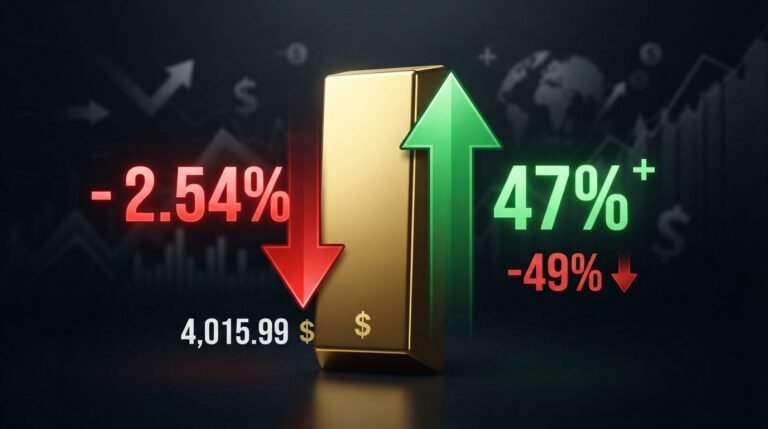
Trading screens today recorded a decline in gold prices by 2.54%, reaching a level of $4,015.99 per ounce. This momentary retreat revives the eternal and legitimate question investors ask at every turn: Is gold truly a safe haven? And why…
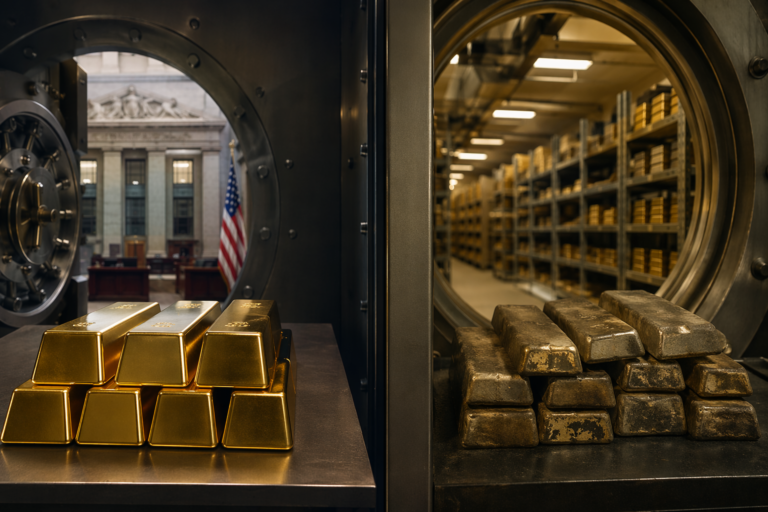
In early 2025, headlines across financial media announced that France had “sold” 129 tonnes of gold previously stored at the Federal Reserve in New York. The story spread quickly, and with it came a wave of misinterpretation. Some framed it…