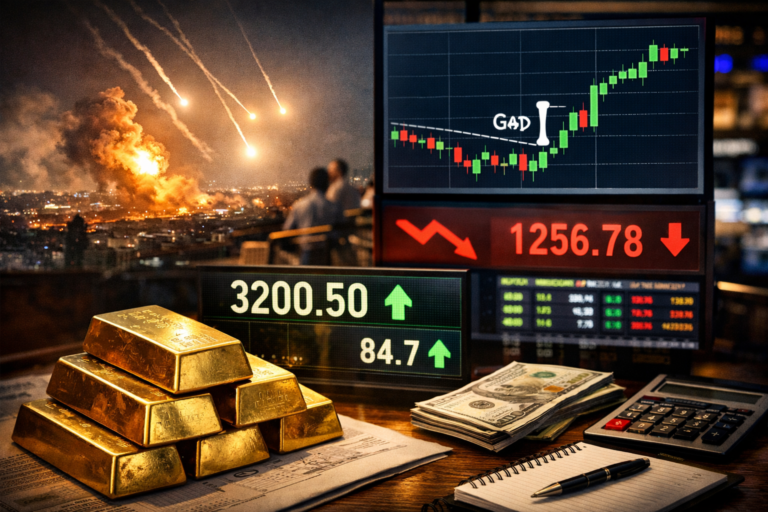
When geopolitical shocks unfold, a recurring pattern emerges: the event happens outside primary trading hours, and markets reopen with a price gap rather than gradual movement.
This isn’t coincidence. Understanding this dynamic is essential for anyone following gold essentials and how the metal behaves during crisis moments.
The Strategic Timing of Major Events
Minimizing Immediate Market Chaos
When significant military operations occur during active trading sessions, the consequences are immediate and severe:
- Equity indices plunge within minutes
- Gold and oil spike violently
- Circuit breakers may halt trading entirely
Historical examples illustrate this clearly:
| Event | Year | Market Impact |
|---|---|---|
| September 11 Attacks | 2001 | NYSE closed for four days |
| Soleimani Assassination | 2020 | Gold surged during off-hours for some major exchanges |
| Gulf War Commencement | 1991 | Initial shock absorbed partially during closure |
When events unfold during market closure, several advantages emerge:
- Central banks gain preparation time
- Institutional investors can assess information calmly
- Orderly repricing replaces chaotic selling
Liquidity Control Mechanism
During closed markets:
- No panic selling cascades through equities
- Algorithmic trading chains don’t trigger automatically
- Markets reopen at a new equilibrium price reflecting available information
This creates the phenomenon known as Gap Opening — prices don’t move incrementally but jump to entirely different levels.
Military and Operational Realities
Many operations occur at night for tactical and security reasons. From a market perspective, the outcome remains consistent: repricing happens at the open, not during live trading.
What Happens When Events Strike During Open Markets?
When geopolitical shocks hit live sessions, responses are immediate and dramatic:
| Asset Class | Typical Response |
|---|---|
| Gold | Sharp upward spike within minutes; hedging demand surges; short covering accelerates |
| Equities | Rapid decline; potential trading halts if shock is severe |
| Crude Oil | Immediate rally, especially for Gulf-related events threatening supply routes |
| US Dollar | Initial strength as cash haven; subsequent volatility based on escalation scope |
The Gap Opening Dynamic
When events occur during closure, the opening gap tells the story.
Illustrative Scenario:
If gold closes at $3,200 per ounce and a major escalation occurs overnight, it may open significantly higher — reflecting the market’s collective reassessment of risk premium.
However, the gap direction doesn’t guarantee continuation. What determines sustainability?
Three Divergent Paths
| Scenario | Characteristics | Gold Behavior |
|---|---|---|
| Broad Escalation | Retaliatory strikes, energy supply threats, widening conflict | Sustained rally over multiple sessions |
| Contained Strike | Limited operation, diplomatic signals | Initial spike, partial retracement, settles above pre-event levels |
| Rapid De-escalation | Quick diplomatic resolution | Risk premium fades, gradual decline |
Why Gold Moves First
Gold responds immediately to geopolitical shocks because of its fundamental characteristics:
- No earnings dependency — unlike equities
- Zero credit risk — unlike bonds or currencies
- Historical war hedge — centuries of precedent
In January 2020, gold rallied sharply as US-Iran tensions escalated following the Soleimani strike, according to Reuters coverage at the time, before markets reassessed the trajectory in subsequent sessions.
For deeper understanding of gold’s monetary properties, our gold essentials section provides comprehensive background.
Key Indicators to Monitor at Market Open
When geopolitical events precede a market opening, watch these signals:
- Gap magnitude relative to previous close
- First-hour trading volume — confirms conviction
- Crude oil direction — measures supply chain concerns
- US Treasury yields — reveals flight-to-safety intensity
- Federal Reserve communications — signals potential policy response
Summary
Whether geopolitical events occur during open or closed markets, gold reprices risk rapidly. The fundamental difference lies in how that repricing manifests:
| Market Status | Price Behavior |
|---|---|
| Open | Immediate, incremental movement |
| Closed | Gap opening reflecting collective reassessment |
Sustained price direction isn’t determined by the initial shock — it’s determined by the escalation path in subsequent days.
At Dhbna, we separate the shock from the trajectory, reading price action within its complete framework rather than reacting to the first hour alone. For questions about our methodology, feel free to contact us or review our privacy policy and learn more about us.