
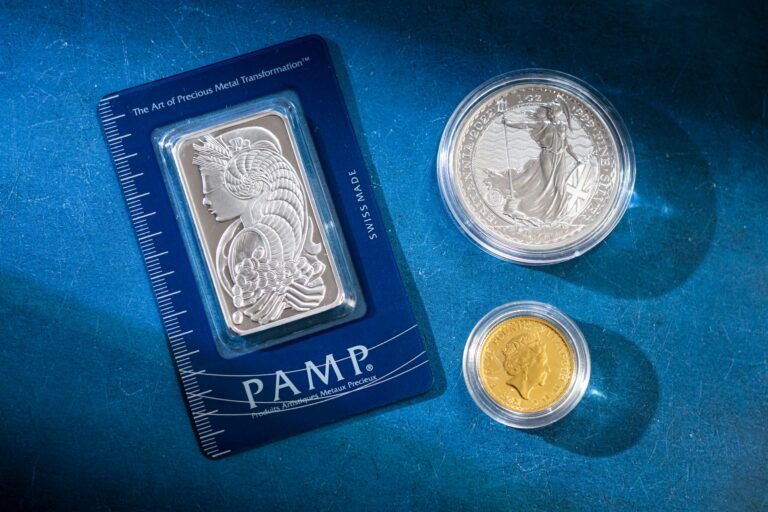
The sharp downward adjustment in gold and silver prices during the final 48 hours of January 2026 was not a reflection of a shift in the intrinsic value of precious metals. Instead, the market experienced a Cross-Asset Liquidity Contagion driven by external equities volatility.
I. Technical Contagion: NASDAQ Volatility and Margin Requirements
The sequence of the drawdown originated in the technology sector, specifically following an 11% intraday decline in Microsoft (MSFT). As the NASDAQ index retreated, large-scale institutional portfolios faced immediate Margin Calls. To maintain regulatory margin requirements for equities, liquid assets—primarily bullion—were sold to provide necessary cash flows. This is a standard institutional “de-risking” procedure where gold acts as the primary source of immediate liquidity during equities-based shocks.
II. Regulatory Deleveraging: Oanda Japan and CME Node Disruptions
The velocity of the price action was accelerated by significant shifts in exchange-level regulations:
- Leverage Compression: In a pivotal regulatory move, Oanda Japan adjusted silver leverage ratios to 5:1, forcing a rapid liquidation of high-leverage positions.
- Order Execution Nodes: Data from the Chicago Mercantile Exchange (CME) indicated a disruption in standard stop-loss executions at specific price nodes, as the market moved through high concentrations of debt-backed positions.
- Estimated Volume: Total paper contract liquidations for this period are estimated at $3 to $5 billion, effectively purging the market of speculative debt.
III. Macro Fundamentals vs. Liquidity-Driven Drawdowns
It is essential to distinguish between a “liquidity event” and a “fundamental shift”. While the paper markets cleared out over-leveraged participants, the core drivers of gold remain stable:
- Geopolitical Risk: Continued global uncertainty and the current administration’s fiscal policies maintain gold’s status as a critical hedge.
- Institutional Sentiment: Long-term sovereign buyers continue to view bullion as a foundational asset, independent of short-term technical liquidations.
- Market Health: This “cleaning” phase restores structural balance by removing artificial leverage, allowing the market to realign with physical demand fundamentals found in Gold Essentials.
Conclusion: A Research-Based Outlook
In summary, the January 29–30 drawdown was a systemic response to a broader equities crisis. Gold and silver functioned as intended—as the world’s most liquid stores of value—used by the broader financial system to stabilize failing technology positions. This event highlights the importance of distinguishing between Daily Gold Price Analysis and the long-term structural integrity of the asset class.
For further details on our analytical methodology, please visit our About Us page or return to the Home Page for real-time updates.
Editorial Research Team January 31, 2026
Disclaimer: This report is for research and informational purposes only and does not constitute financial or investment advice. For further information, see our Privacy Policy.